March 26, 2026
Guide to Buying Retirement Property In Surrey
Planning your retirement in Surrey but overwhelmed by soaring property prices and endless location choices? With average retirement home costs projected to rise 12% by 2026, getting it right the first time is more important than ever. This complete guide will give you a step-by-step blueprint for how to buy smart, from choosing the right type of property to important financial considerations, all backed by Rice and Roman’s retirement property expertise across 300+ Surrey properties.
Introduction
Buying a retirement property is about more than just downsizing. It is about “rightsizing” your lifestyle for the future. As of 2026, Surrey remains one of the most desirable counties in the UK for this transition. It offers a balance of countryside calm and easy access to London.
However, the market here operates differently from standard residential sales. You are not just buying bricks and mortar. You are often buying into a community with specific legal structures and costs. So whether you are looking for a luxury retirement apartment in Cobham or a retirement village setting in Epsom, understanding these nuances is critical. This guide breaks down exactly what you need to know to buying a retirement home safely and confidently in Surrey this year.
What Are Retirement Properties?
Retirement properties are purpose-built homes designed for independent living, typically sold on a leasehold basis. Unlike care homes, you own your property (usually an apartment or bungalow), but you also gain access to shared facilities. These developments often include communal lounges, gardens, and sometimes on-site managers.
The key difference is the age restriction. Most developments in the UK set this at 55 or 60 years old. This ensures a community of like-minded neighbours. In Surrey, the stock varies significantly. You might find “lifestyle” developments with gyms and restaurants, or simpler, quieter courts focused purely on low-maintenance living. It is about choosing the level of support and community you actually want.
Why Surrey Is Ideal for Retirement Living
Surrey consistently ranks as a top retirement destination for good reason. It sits in the “Green Belt,” meaning development is restricted, preserving the rolling hills and woodlands that define the county. For retirees, this offers a slower pace of life without feeling isolated.
Connectivity is the other major draw. Towns like Guildford and Woking offer fast rail links to London Waterloo, making it easy to visit family or enjoy the capital’s theatres. Furthermore, Surrey boasts some of the best healthcare facilities in the South East, including Frimley Park and Royal Surrey County Hospital. When planning for the long term, proximity to quality medical care is a practical necessity that adds real value to your property choice.
Prime Locations for Retirement Properties in Surrey
Surrey offers a wonderful mix of lively market towns, peaceful green spaces, and well-connected communities, making it one of the most desirable counties in the UK for retirement living. For many buyers, the right location depends on budget, lifestyle preferences, and proximity to family, shops, and transport links. Within Surrey, Epsom, Ewell, Ashtead and Leatherhead are particularly popular areas for retirement property thanks to their strong communities, excellent amenities, and range of purpose-built developments.
Epsom
Epsom is a vibrant market town known for its historic racecourse, excellent transport links into London, and a thriving town centre filled with cafés, shops, and green spaces. Retirement developments such as Lord Rosebery Lodge, Wellington Court, Saddlers Court and Badgers Court offer comfortable, well-located homes within easy reach of local amenities. For retirees who want independence alongside access to a lively town centre and beautiful parks like Epsom Downs, the area offers a balanced and convenient lifestyle.
Ewell
Just next door, Ewell provides a slightly quieter village feel while still being very well connected. With charming streets, local shops, and access to green spaces such as Bourne Hall Park, it appeals to retirees looking for a relaxed but active community. Developments including Lakeside, Village Gardens, Calverley Court and Lynton Court provide attractive retirement apartments close to local amenities, making Ewell a popular choice for those wanting village character without sacrificing convenience.
Ashtead
Ashtead is known for its leafy surroundings, strong community spirit, and excellent local services. Positioned between Epsom and Leatherhead, it offers easy access to countryside walks across Ashtead Common while still being close to shops and transport links. Retirement developments such as Greville Court, Broadmead, Warren Court and Brookview Lodge provide comfortable homes in peaceful surroundings. Ashtead is particularly appealing for retirees who want a quieter environment with plenty of green space nearby.
Leatherhead
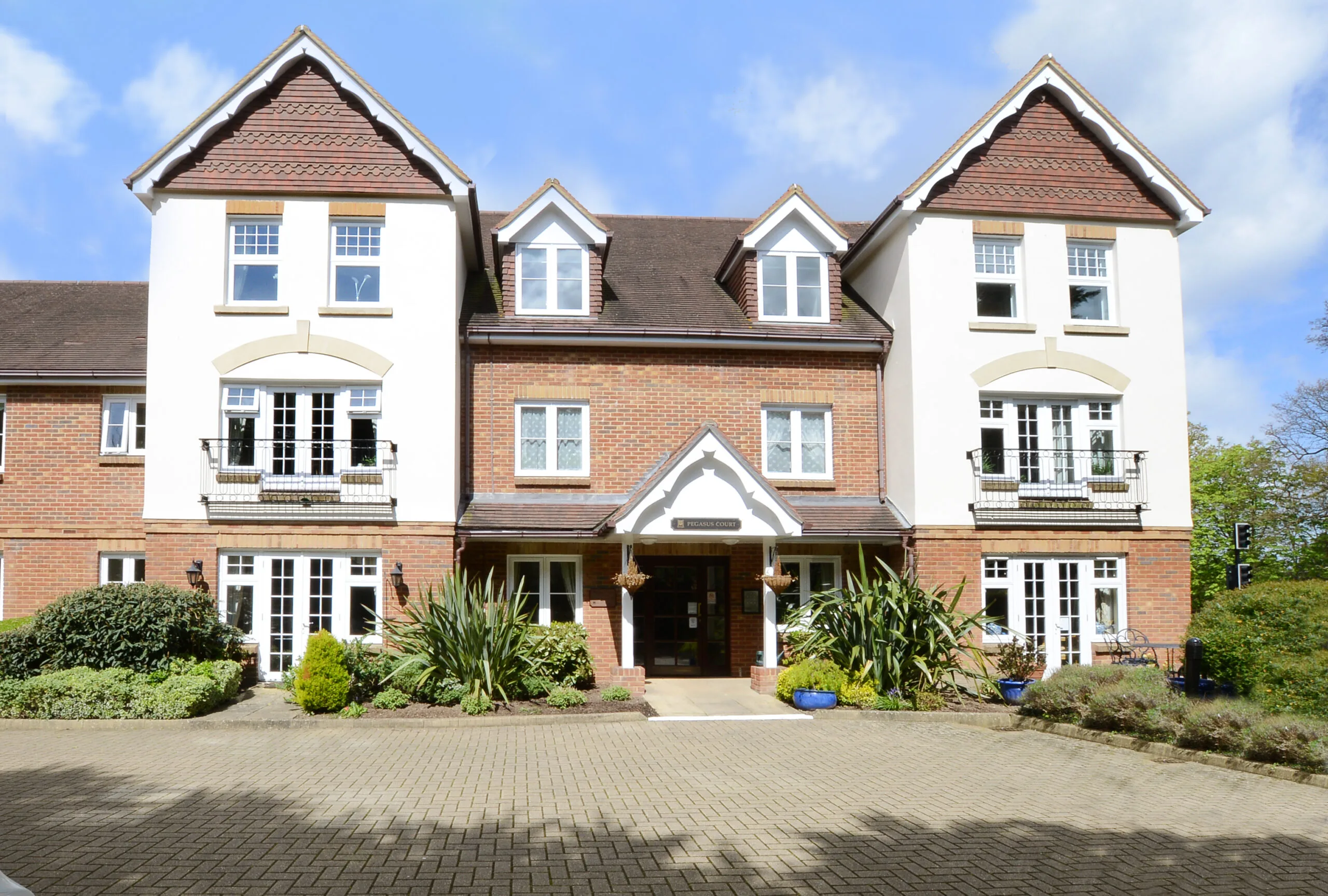
Leatherhead combines the charm of a historic Surrey town with modern amenities and excellent connections to both London and the Surrey Hills. The town centre offers a wide range of shops, cafés, and cultural venues, while nearby countryside provides opportunities for walking and outdoor activities. Retirement developments including Pegasus Court, Headley Lodge, Emmeline Lodge and Holly Court offer well-located homes that allow residents to enjoy the best of town and country living.
How Buying Retirement Property Works: Step-by-Step
Buying a retirement home involves a few more steps and considerations than a standard purchase. The timeline can be longer because of the specific legal checks required for leasehold management packs.
Here is the general flow:
Step 1: Assess Needs, Budget, and Location
Before you look at a single listing, be honest about your finances. You need to calculate your budget based on the sale of your current home, but do not forget to factor in Stamp Duty and moving costs.
Ask yourself:
- Do I need a ground floor unit?
- Is a guest suite for visitors essential?
- Do I need a pet-friendly development?
Defining non-negotiables like these early on saves time and prevents you from falling for a property that doesn’t fit your future needs.
Step 2: Search, View, and Offer
When viewing properties in Surrey, look beyond the apartment itself. Inspect the communal areas. Are they well-maintained? This is a direct reflection of the management company’s quality.
Talk to current residents if possible. Ask them about the site manager and the social atmosphere. Once you find the right spot, make an offer. Remember, as specialist agents, we can help you gauge if a property is priced correctly for the current 2026 market conditions.
Step 3: Finance, Legal Checks, and Completion
Financing a retirement property usually comes from cash equity, as traditional mortgages are rare for these purchases. However, “lifetime mortgages” or equity release are options for some.
During the legal phase, your solicitor must check the management pack. This document reveals the financial health of the development’s sinking fund (the savings pot for major repairs). If the fund is low, you could be hit with a large bill later. Never skip this check.
Financial Considerations and Costs in 2026
The financial structure of retirement property can often be the most confusing part for new buyers. It is not just about the purchase price; it is about the ongoing liability.
You need to budget for three main buckets:
- Purchase Price: The upfront cost.
- Monthly Costs: Service charges and ground rent.
- Exit Costs: Fees payable when you eventually sell or pass away.
Being clear on these numbers upfront prevents nasty surprises down the line.
Upfront Purchase Prices
In Surrey, retirement properties command a premium. As of early 2026, prices for a one-bedroom retirement apartment can range significantly depending on the luxury level. A standard aprtment in a town centre might start lower, while luxury units in developments like Cooper’s Hill can exceed £500,000.
Remember that new build retirement homes often carry a “new build premium,” meaning they may lose value immediately after purchase. Resale properties, which Rice and Roman specialise in, often represent better value for money.
Ongoing Fees: Service Charges, Ground Rent, and Event Fees
Service charges in retirement developments are higher than standard apartments because they cover more: heating, building insurance, the site manager, and communal cleaning. In Surrey, these can range from £2,000 to over £8,000 per year for luxury villages.
You must also watch for event fees (or exit fees). This is a percentage of the property’s value (often 1% to 10%) payable to the freeholder when you sell. Always check the lease for these specific terms.
Legal Essentials for Retirement Purchases
The legal side of retirement living is all about the lease. Almost all retirement properties are sold as leaseholds. This means you have the right to live there for a set number of years, but you must abide by the freeholder’s rules.
A good solicitor is non-negotiable. They need to explain the obligations of the lease in plain English. If you don’t understand who is responsible for replacing the windows or fixing the roof, do not sign.
Navigating Leasehold Structures
Check the length of the lease immediately. A lease with less than 80 years remaining can be difficult to sell later and expensive to extend. Ideally, look for leases with 125 years or more.
Also, look at the ground rent terms. Recent legislation has reformed this for new leases, effectively reducing it to zero, but many older resale properties in Surrey still have ground rent clauses. Ensure these do not double every 10 years, which can make the property unsellable.
Age Restrictions and Management Rules
Every development has a handbook of rules. The most obvious is the age limit (usually 55+ or 60+). However, you need to check the fine print regarding partners. If you are 65 and your spouse is 50, can you live there? Usually, yes, but check.
Other common restrictions include:
- Pets: Are cats or dogs allowed?
- Subletting: Can you rent the property out if you need to move into care temporarily?
- Parking: Is a space allocated or first-come, first-served?
Best Practices for Buying in Surrey
To get the best result, approach this purchase with a business mindset.
- Review the Sinking Fund: Ensure there is enough money in the reserve fund to cover roof repairs or lift replacements. If the fund is empty, residents get the bill.
- Location Future-Proofing: Is the property on a steep hill? Is it near a bus stop? Your mobility might change, so buy for the “future you,” not just the “current you.”
- Resale Potential: Two-bedroom units generally sell faster than one-bedroom units. That extra room offers flexibility for hobbies or carers, making it more attractive to future buyers.
Common Mistakes to Avoid
Buyers often fall in love with the show home and forget the details. Avoid these common traps:
- Ignoring the Exit Fee: Some buyers are shocked to lose a chunk of their equity when selling. Know the percentage before you buy.
- Overestimating Space: Downsizing is hard. Measure your furniture. That antique dining table might not fit in a modern retirement living/dining room.
- Not Meeting the Manager: The site manager sets the tone for the whole development. If they are unhelpful or hard to find, it will affect your daily life.
Partner with Rice and Roman for Expert Guidance
Navigating the retirement property market in Surrey requires specialist knowledge. At Rice and Roman, we are not developers; we are estate agents dedicated solely to this sector.
We cover over 300 properties across 170 developments in Greater London, Surrey, and Berkshire. Our team understands the specific lease terms, service charge histories, and community vibes of the developments we represent. Whether you are buying or selling, we provide the honest, expert advice you need to make a secure move. We help you look past the marketing to see the real value and costs involved.
Conclusion
Buying a retirement property in Surrey is a significant financial and lifestyle decision. The county offers an exceptional standard of living, from the luxury of Cobham to the community feel of Cranleigh. But the complexity of leaseholds, service charges, and event fees means you must do your homework.
By focusing on the details, checking the lease length, understanding the fees, and assessing the sinking fund, you can protect your investment. With the right guidance and a clear understanding of the market in 2026, you can find a home that offers comfort, security, and a vibrant new chapter in life.
Frequently Asked Questions
Can I get a mortgage for a retirement property in Surrey?
Mortgages are rare for retirement properties over age 55; most buyers use cash or equity release. Specialist lenders like Legal & General offer limited options up to 70% loan-to-value, but expect higher rates – consult a broker early.
What is the average service charge for Surrey retirement homes in 2026?
Surrey retirement properties typically charge £3,500-£6,000 annually for service fees, covering maintenance, insurance, and staff. Luxury sites like Audley Villages exceed £8,000; always review the latest management pack for exact figures.
How do I extend a short lease on a retirement property?
Solicitors handle lease extensions via the freeholder or tribunal if under 80 years. Costs average £10,000-£30,000 in Surrey, depending on ground rent and value; act before 90 years to avoid devaluation.
Are retirement properties in Surrey adaptable for mobility needs?
Many developments offer lift access, level-access showers, and ground-floor units compliant with Part M building regs. Check for future adaptations like grab rails; providers like Audley include these in 80% of new builds.
What happens to my retirement property if I need full-time care?
Most leases allow subletting or family use during care stays, but check rules – some cap at 12 months. Upon death, properties transfer via probate; event fees (1-10%) apply on resale by heirs.

Guides
June 10, 2026
Guides
Property Search
June 9, 2026
Guides
May 1, 2026